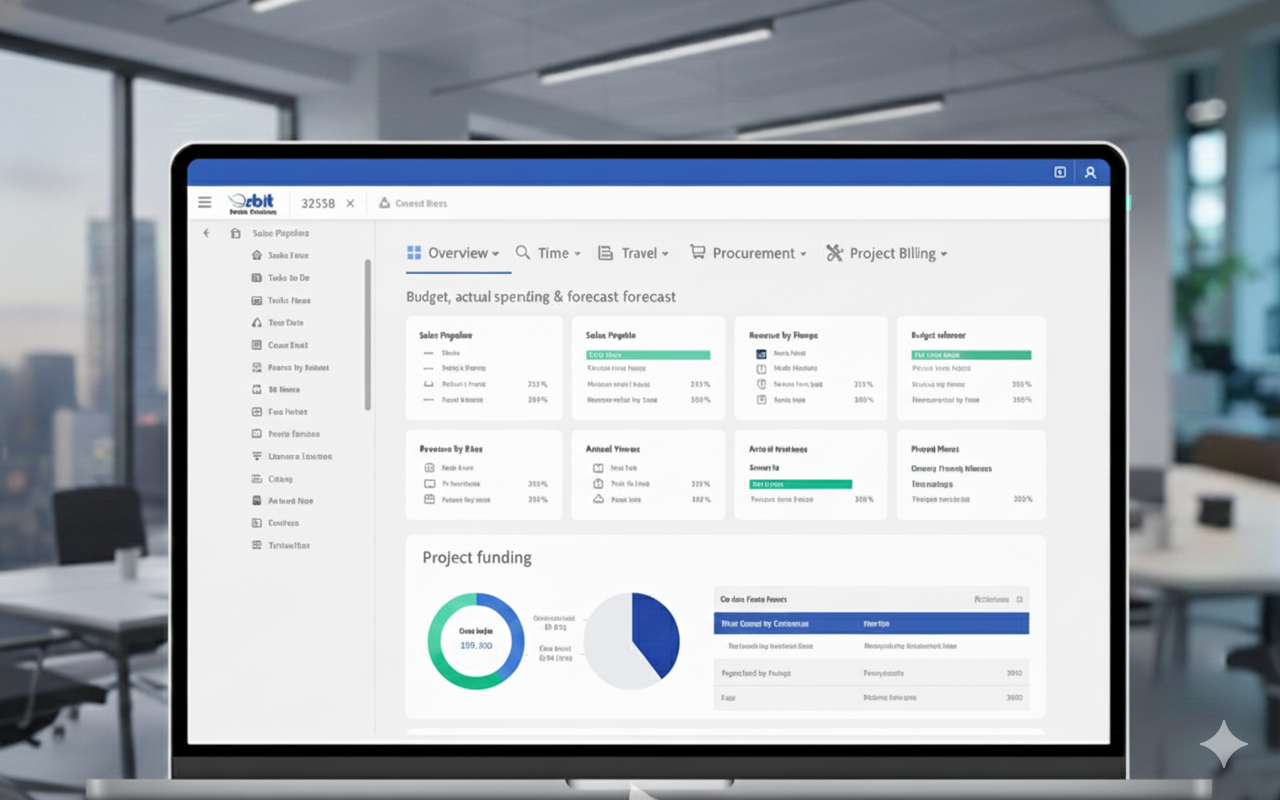
Modern ERP systems integrate finance, inventory, customer management, HR, procurement, sales, and reporting into one centralized platform. Instead of juggling spreadsheets and disconnected software, business owners can manage everything from a single dashboard. Cloud-based ERP platforms are especially attractive for London SMEs because they support remote work, mobile access, automation, and compliance with UK regulations like HMRC Making Tax Digital (MTD) and GDPR.
This guide explores the best ERP software for small businesses in London in 2025, including features, pricing considerations, advantages, challenges, and how to choose the right system for your business.
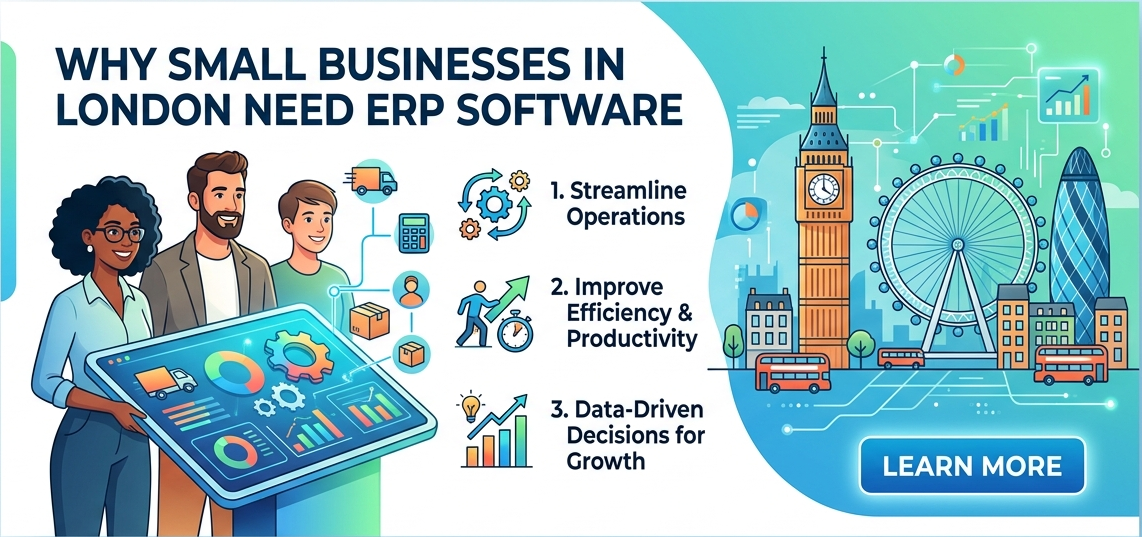
Why Small Businesses in London Need ERP Software
Running a small business in London comes with unique operational challenges:
-
Rising operational costs
-
High customer expectations
-
Compliance and tax reporting
-
Supply chain complexity
-
Hybrid and remote work environments
-
Multi-channel sales management
ERP software helps solve these issues by automating repetitive tasks and improving visibility across the business. Instead of separate tools for accounting, CRM, payroll, inventory, and purchasing, ERP software unifies all operations.
According to industry research, cloud-based ERP systems continue to dominate the SME market because they provide flexibility, scalability, and lower infrastructure costs. AI-powered forecasting, workflow automation, and real-time reporting are also becoming standard features in 2025.
Key benefits of ERP systems for London SMEs include:
-
Improved operational efficiency
-
Better financial visibility
-
Reduced manual data entry
-
Automated VAT and tax reporting
-
Faster decision-making
-
Enhanced customer service
-
Easier scalability
What to Look for in ERP Software in 2025
Before selecting an ERP solution, small businesses should evaluate several critical factors.
1. Cloud-Based Accessibility
Modern businesses need systems accessible from anywhere. Cloud ERP platforms allow teams to work remotely while maintaining secure access to real-time data.
2. UK Compliance Features
Businesses operating in London must ensure their ERP supports:
-
HMRC Making Tax Digital (MTD)
-
UK VAT reporting
-
GDPR compliance
-
Multi-currency accounting
3. Ease of Use
Small businesses often lack dedicated IT departments. A user-friendly interface reduces training costs and speeds up adoption.
4. Scalability
The ERP should grow with your business. Modular systems are ideal because businesses can start small and add functionality later.
5. Integration Capabilities
The best ERP systems integrate with platforms like:
-
Shopify
-
WooCommerce
-
Microsoft 365
-
Xero
-
QuickBooks
-
Stripe
-
PayPal
6. Automation and AI Features
AI-driven analytics and automation are becoming major differentiators in ERP software. Businesses increasingly rely on predictive reporting, automated invoicing, and intelligent forecasting.